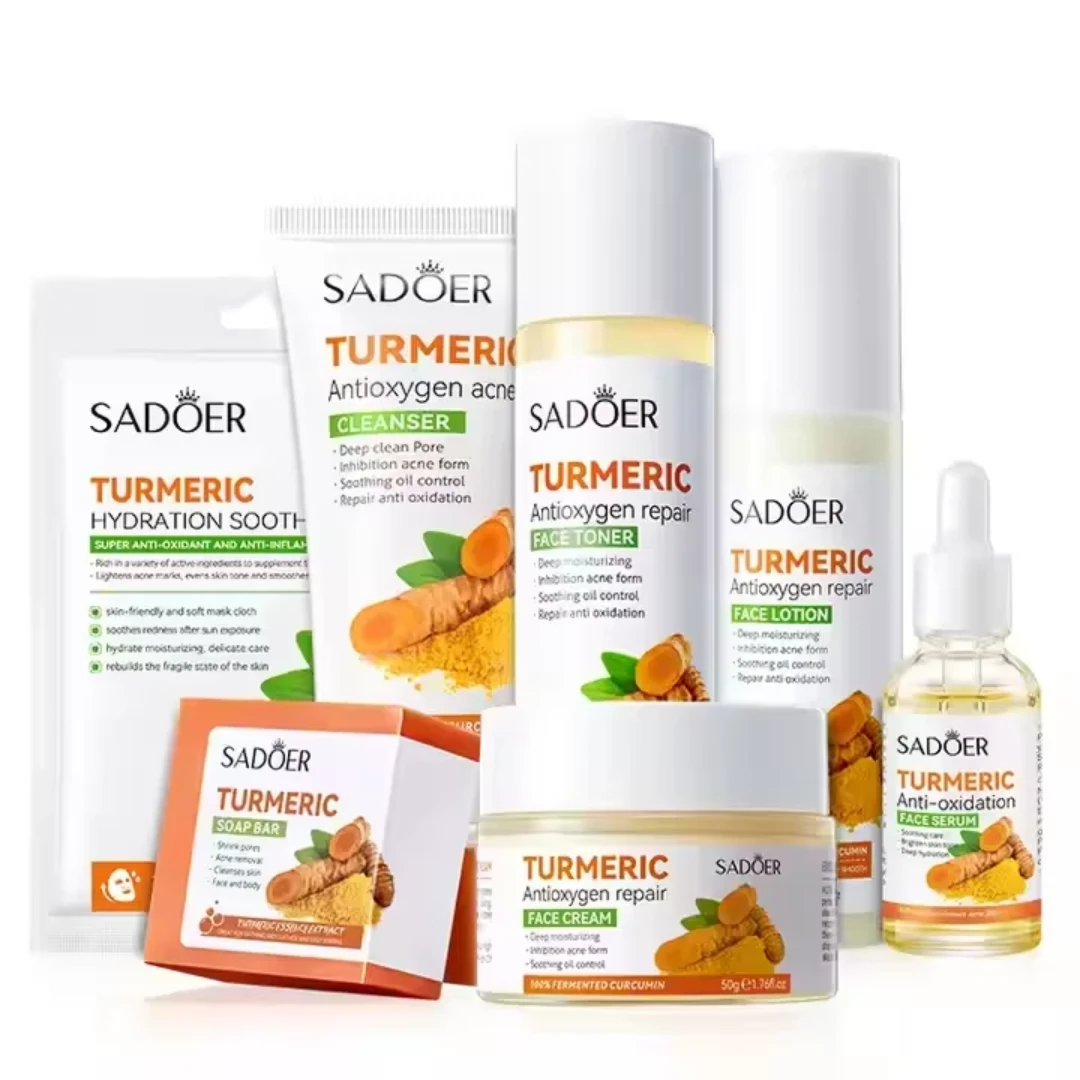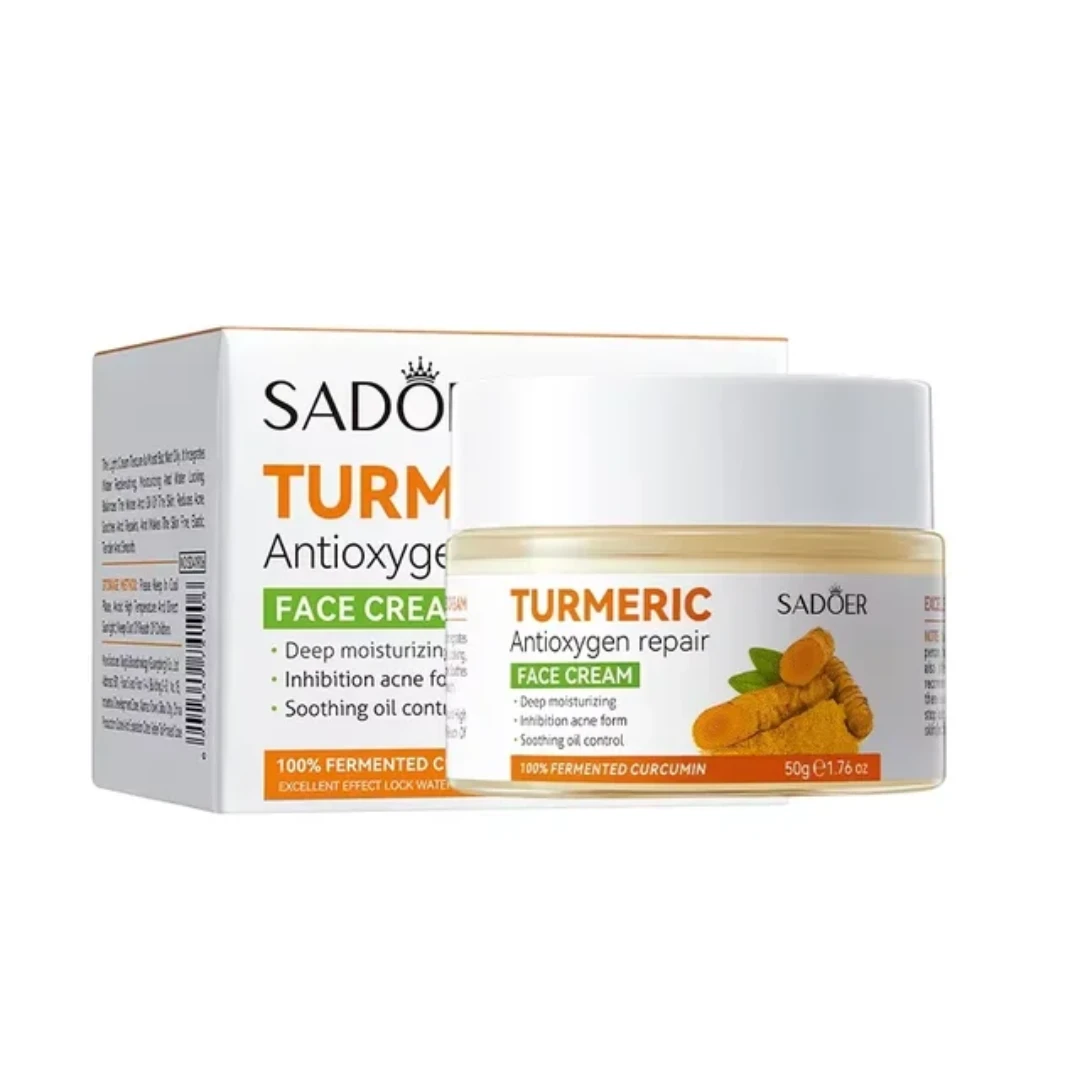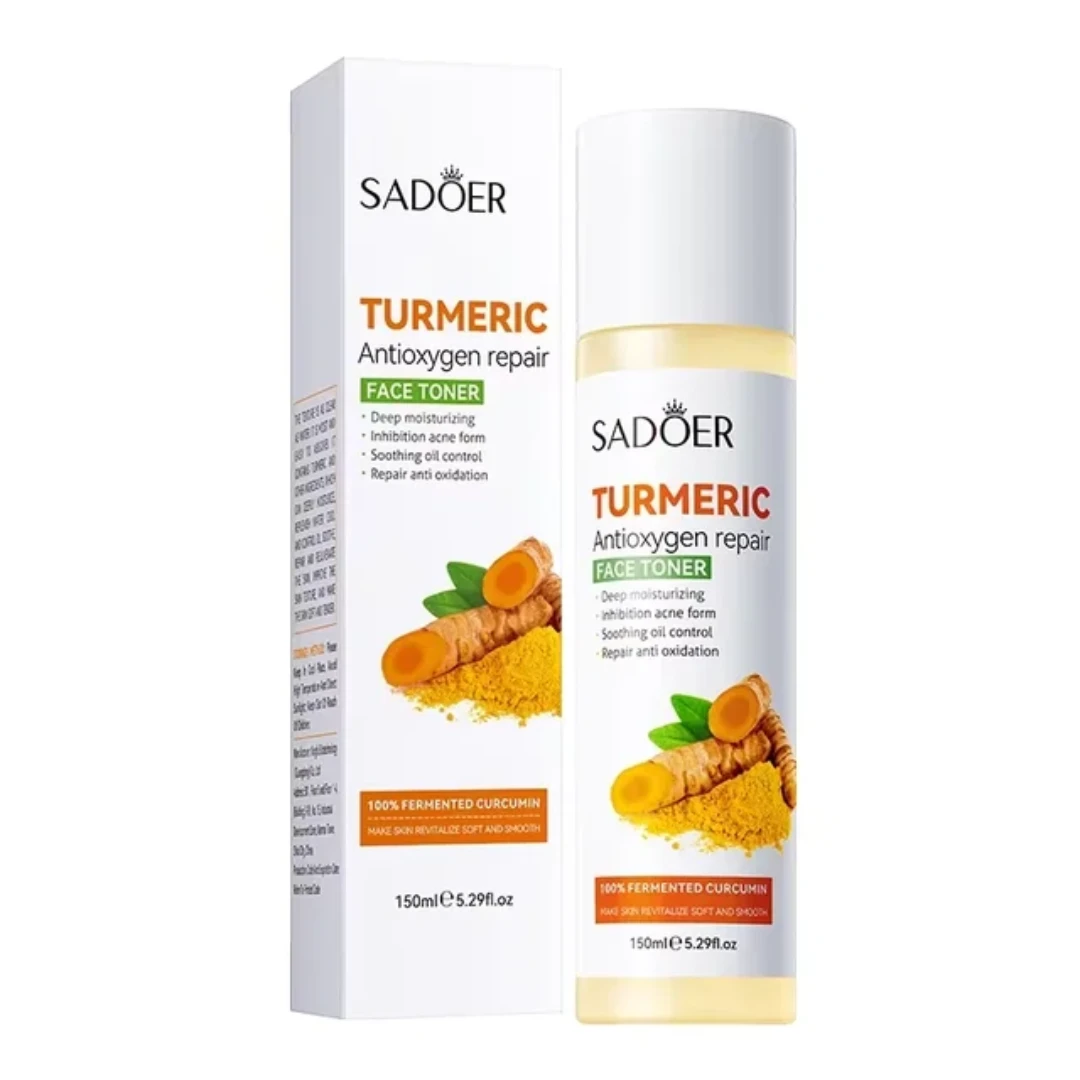


This is the most famous and well-studied component, responsible for turmeric's vibrant yellow color and most of its antioxidant benefits.
- Direct Free Radical Scavenging: Curcumin's chemical structure allows it to neutralize free radicals directly. Free radicals are unstable molecules that cause cellular damage (oxidative stress), linked to aging and chronic diseases.
- Boosting the Body's Own Antioxidant Enzymes: Curcumin doesn't just work alone; it signals the body to produce more of its own potent antioxidant enzymes, such as:
- Glutathione: Often called the "master antioxidant."
- Superoxide Dismutase (SOD)
- Catalase
- This is a crucial part of its "set" function—it enhances the body's internal defense network.
The Supporting Cast: Other Beneficial Compounds
While curcumin gets the most attention, the antioxidant power of turmeric comes from a synergy of compounds, including:
- Curcuminoids: This is the family of compounds that curcumin belongs to. The other major curcuminoids are:
- Demethoxycurcumin
- Bisdemethoxycurcumin
- These also possess significant antioxidant and anti-inflammatory properties.
- Turmerones: These are aromatic compounds in turmeric essential oil that have their own antioxidant and anti-inflammatory effects.
The "Antioxidant Set" Mechanism: How It Works as a System
Think of turmeric's antioxidant action as a multi-layered defense system:
- Layer 1: Direct Neutralization: The curcuminoids directly donate electrons to stabilize and disarm free radicals.
- Layer 2: Enzymatic Amplification: It upregulates the body's natural, long-lasting antioxidant enzymes, providing sustained protection.
- Layer 3. Metal Chelation: Curcumin can bind to (chelate) pro-oxidant metals like iron and copper, preventing them from generating more free radicals.
- Layer 4: Anti-Inflammatory Synergy: Oxidative stress and inflammation are closely linked. By powerfully reducing inflammation (e.g., by blocking the NF-kB molecule), turmeric indirectly reduces the production of free radicals, creating a positive feedback loop for cellular health.