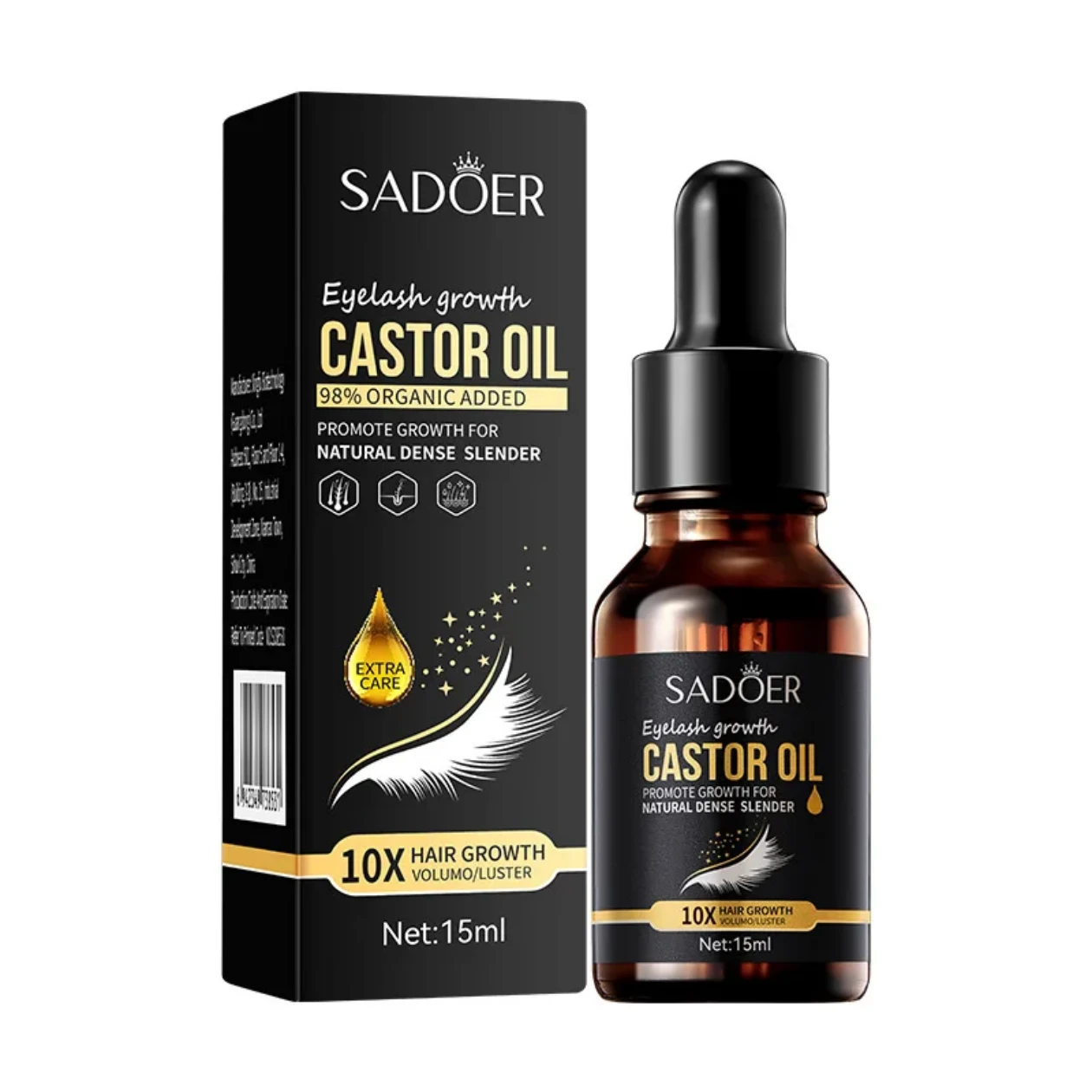
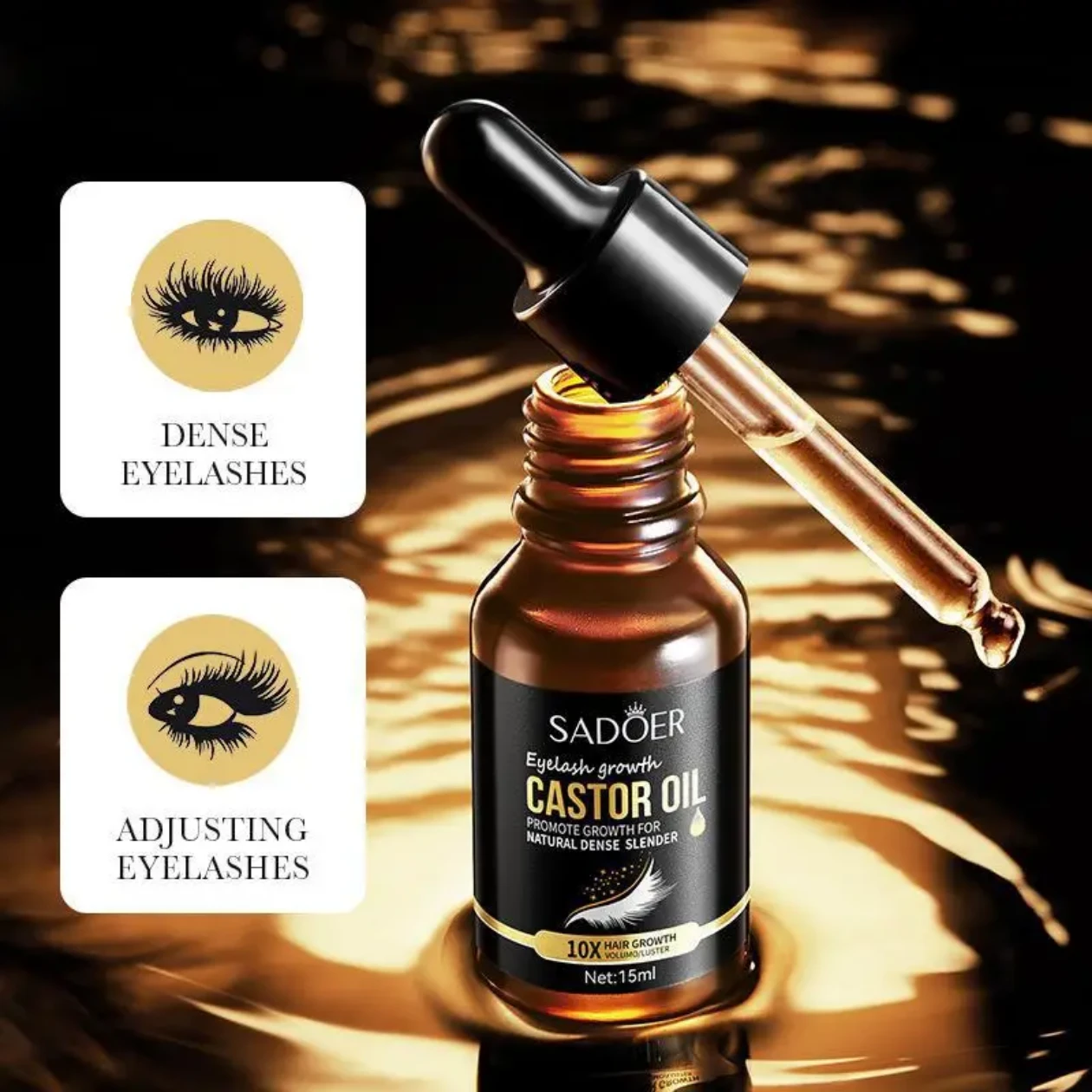
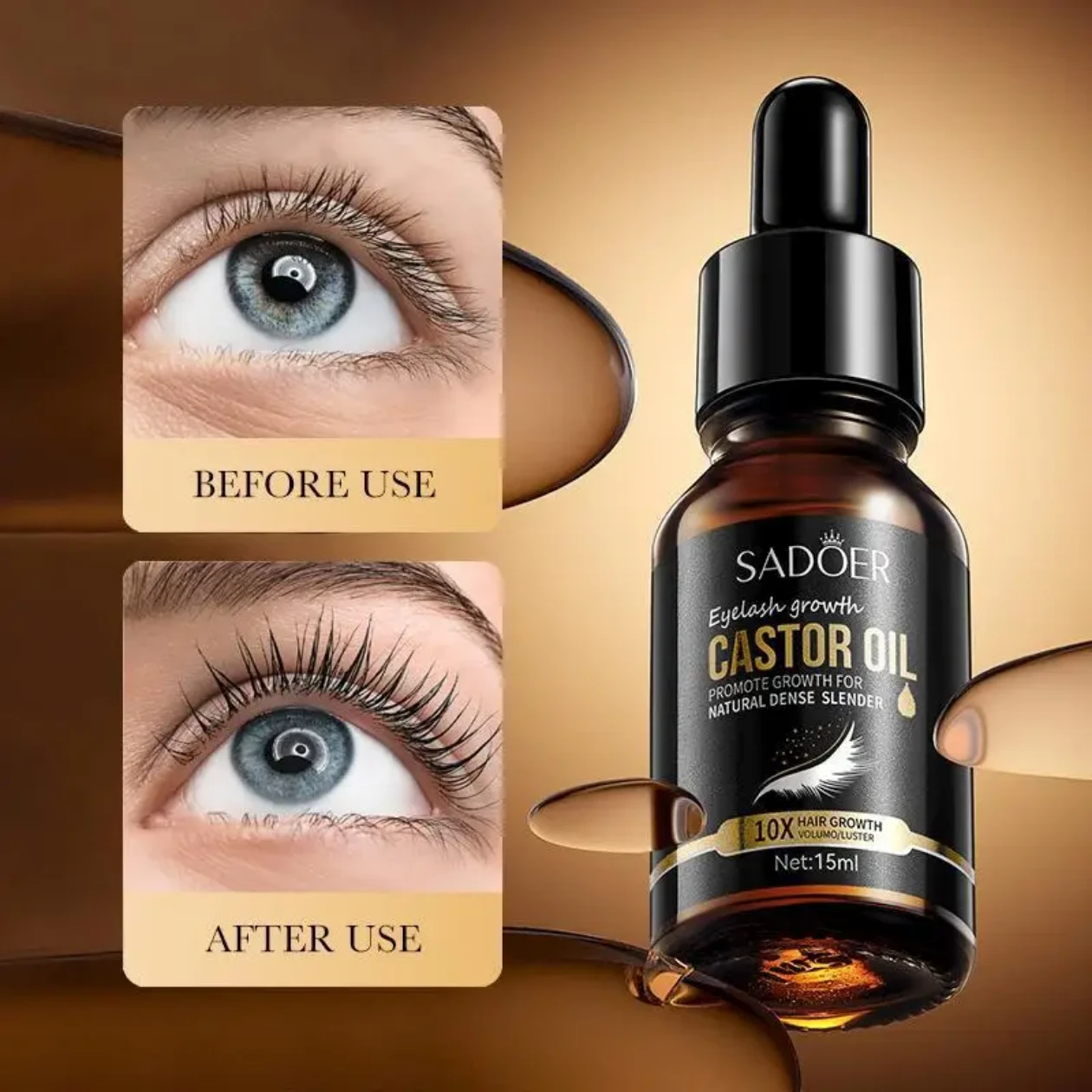
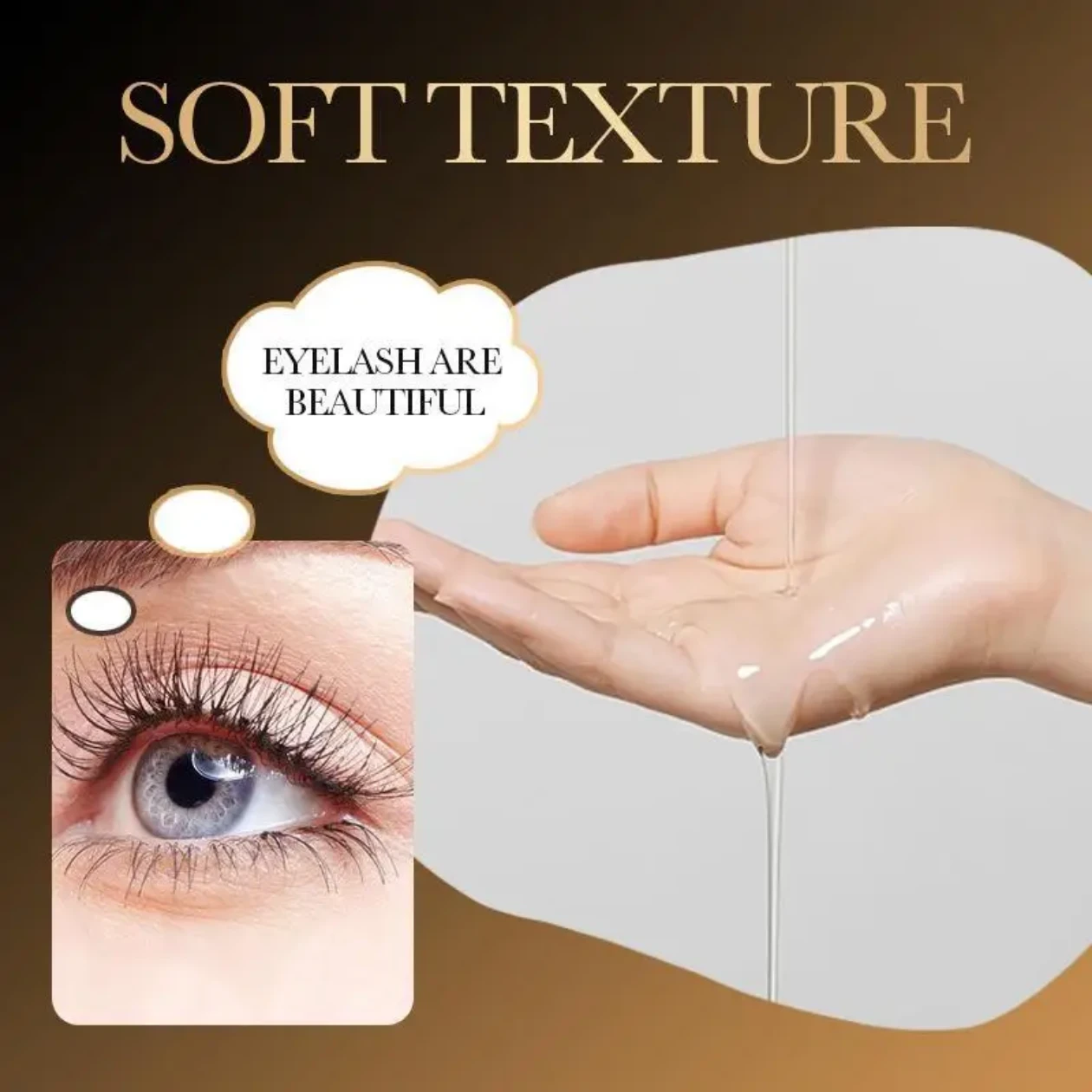
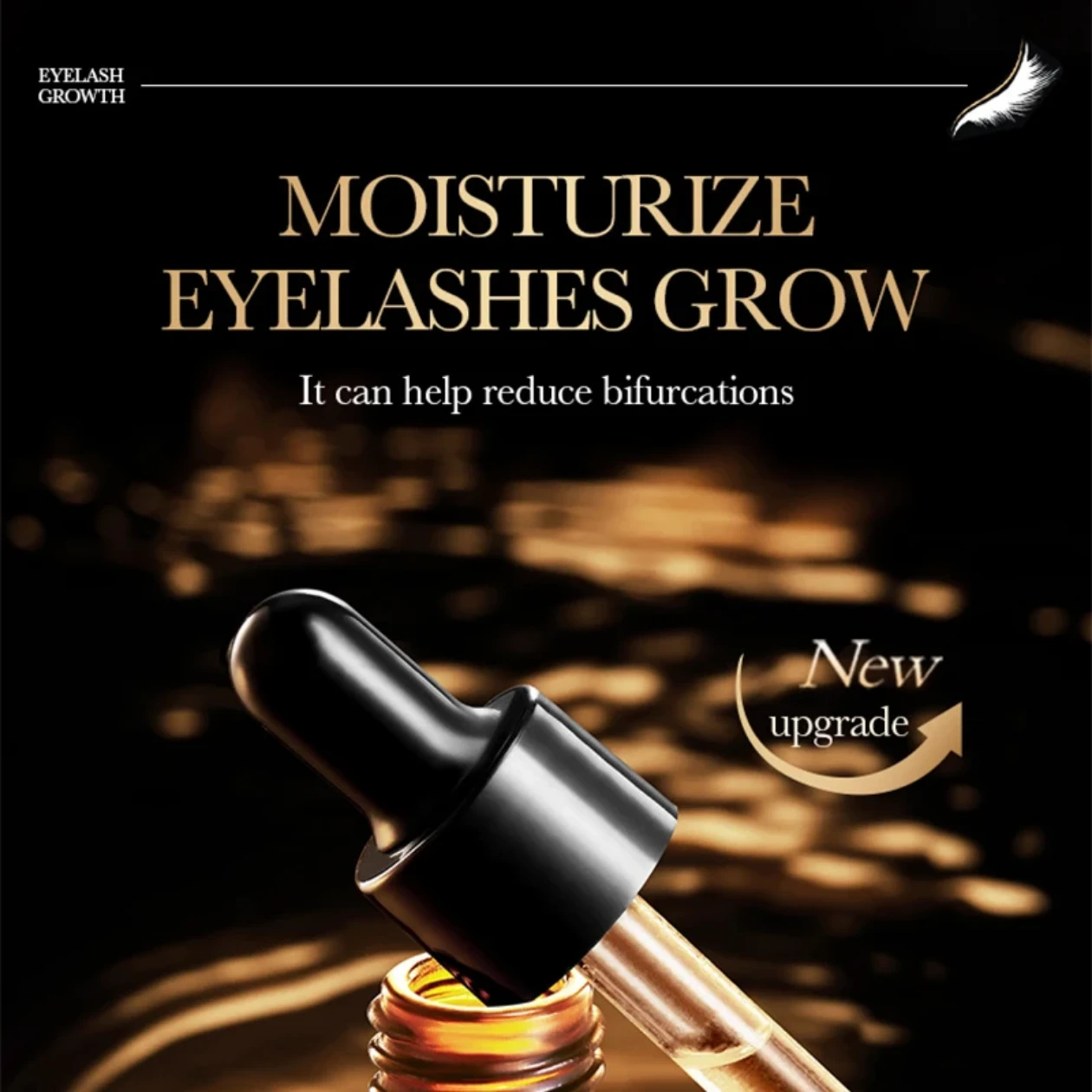
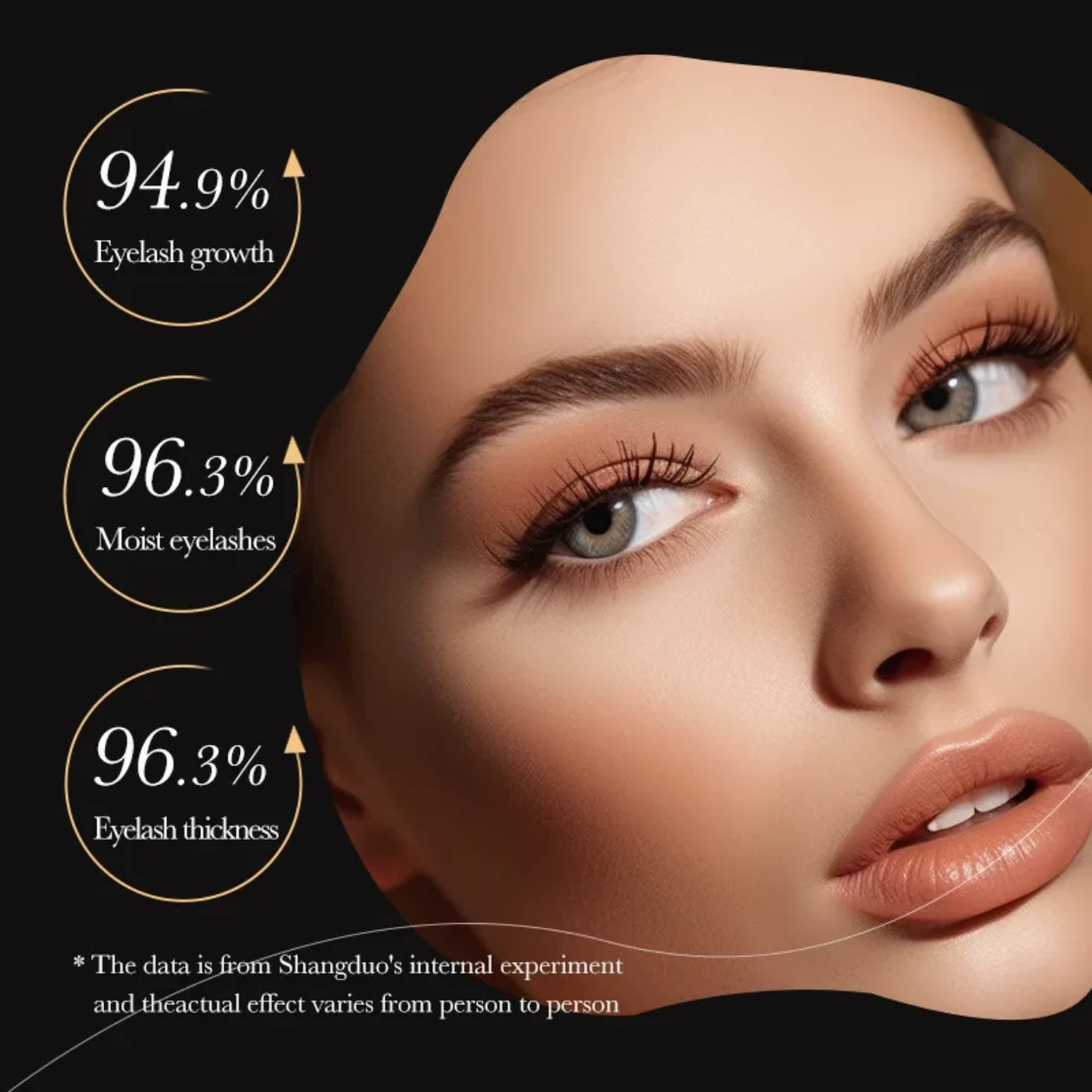
Castor oil is a popular natural remedy promoted for enhancing the appearance of eyelashes and eyebrows. It's a thick, viscous plant oil derived from the seeds of the Ricinus communis plant.
Primary Claims and Purported Benefits:
- Promotes Growth: The most common claim is that it stimulates hair growth, leading to longer, fuller lashes over time.
- Conditions and Strengthens: Its thick consistency is said to moisturize the hair shaft, reducing brittleness and preventing breakage, which can make lashes appear thicker and healthier.
- Darkens Lashes: Some users report a slight darkening effect, making lashes look more prominent.
- Improves Lash Health: It may help hydrate the skin of the lash line, potentially creating a healthier environment for hair follicles.
Key Active Component: Ricinoleic Acid
The potential benefits are primarily attributed to ricinoleic acid, which makes up about 90% of castor oil. This unique fatty acid is believed to:
- Have anti-inflammatory and antimicrobial properties, which could soothe the lash line.
- Improve circulation when massaged into the skin, potentially delivering more nutrients to the hair follicles.
- Act as a humectant, drawing moisture into the hair and skin.
The Scientific Reality: Manage Your Expectations
It's crucial to understand that robust clinical trials proving castor oil's effectiveness for eyelash growth are lacking. Most evidence is anecdotal (personal testimonials).
- It's likely more of a conditioner than a growth stimulant. By preventing breakage and keeping lashes supple, lashes can reach their full, natural length instead of snapping off short. This creates the illusion of growth.
- It does not contain prostaglandin analogues, the scientifically-proven active ingredients in prescription lash growth treatments like Latisse®. These drugs actually alter the hair growth cycle.
How to Use It (Safely):
If you choose to try it, safety is paramount.
- Choose the Right Oil: Use only 100% pure, cold-pressed, hexane-free castor oil. Opt for organic and USP-grade if possible. A dedicated phthalate-free formula for eyes is best.
- Patch Test First: Apply a small amount to your inner arm or behind the ear. Wait 24 hours to check for allergic reactions before using near your eyes.
- Application Method:
- Ensure your face and eyes are clean and makeup-free.
- Use a clean, disposable spoolie brush (like a clean mascara wand), a precision eyeliner brush, or a cotton swab.
- Dip the tool in a tiny amount of oil (a little goes a long way).
- Gently apply along the base of the upper lash line (like an eyeliner) and lightly coat the lashes from root to tip.
- Avoid direct contact with the eyes. If oil gets in, rinse thoroughly with water.
- Frequency: Typically applied at night, 3-5 times per week, leaving it on overnight. Consistency is key—results, if any, may take several weeks to months to appear.
CRITICAL Warnings & Side Effects:
- Eye Irritation: Can cause redness, itching, or swelling.
- Allergic Reactions: Possible, especially for those with plant seed/nut allergies.
- Blepharitis Risk: Clogged oil glands along the lash line can lead to inflammation (blepharitis) or styes.
- Contact Lens Wearers: Apply only after removing lenses.
- Not for Everyone: Discontinue use immediately if any irritation occurs.
 english





 Men's fashion
 Women's fashion
 Kid's Fashion
 Health & Beauty
 Home &kitchen
 Baby & Toddler
 Gift & Crafts
 Digital products
 Books & Stationery