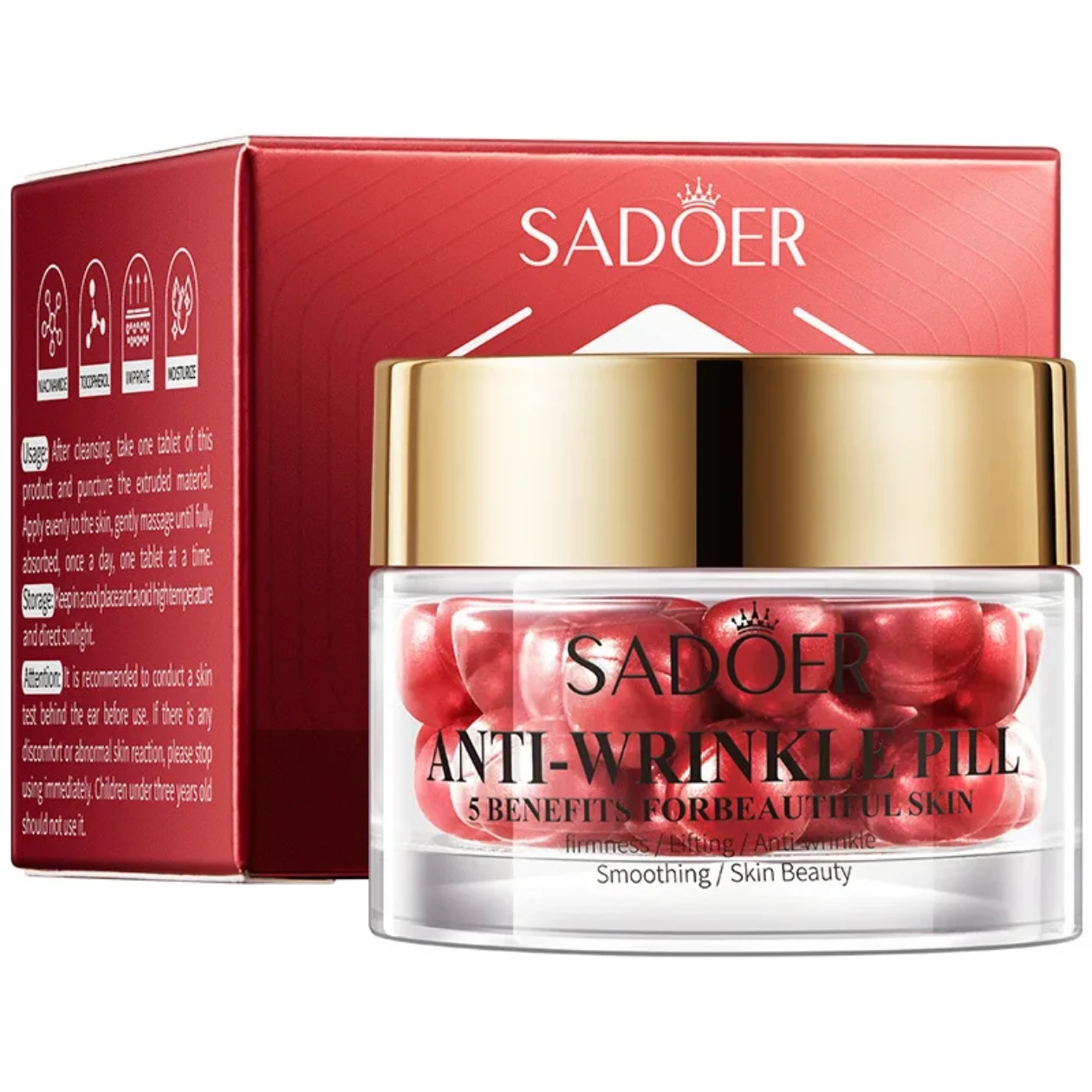
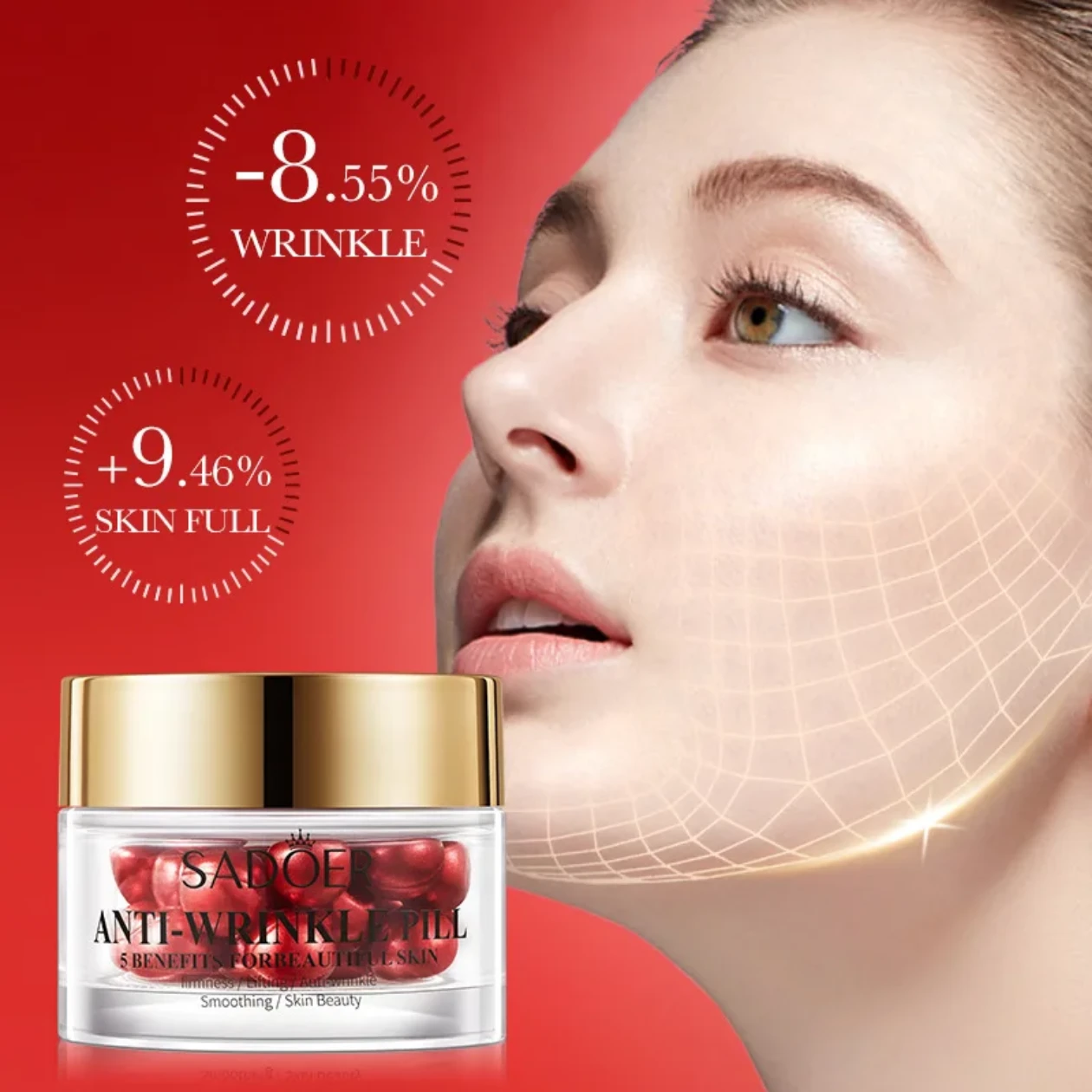
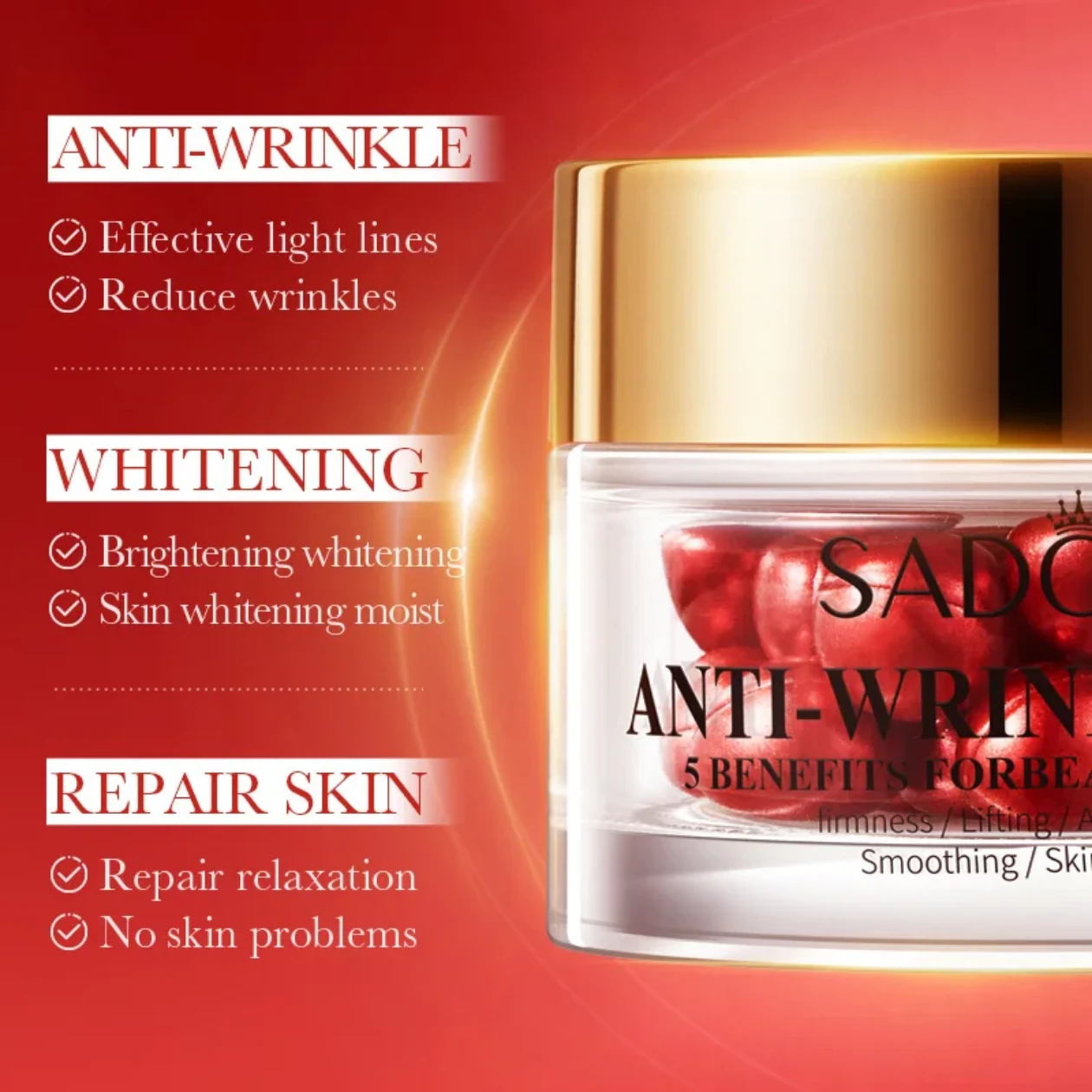
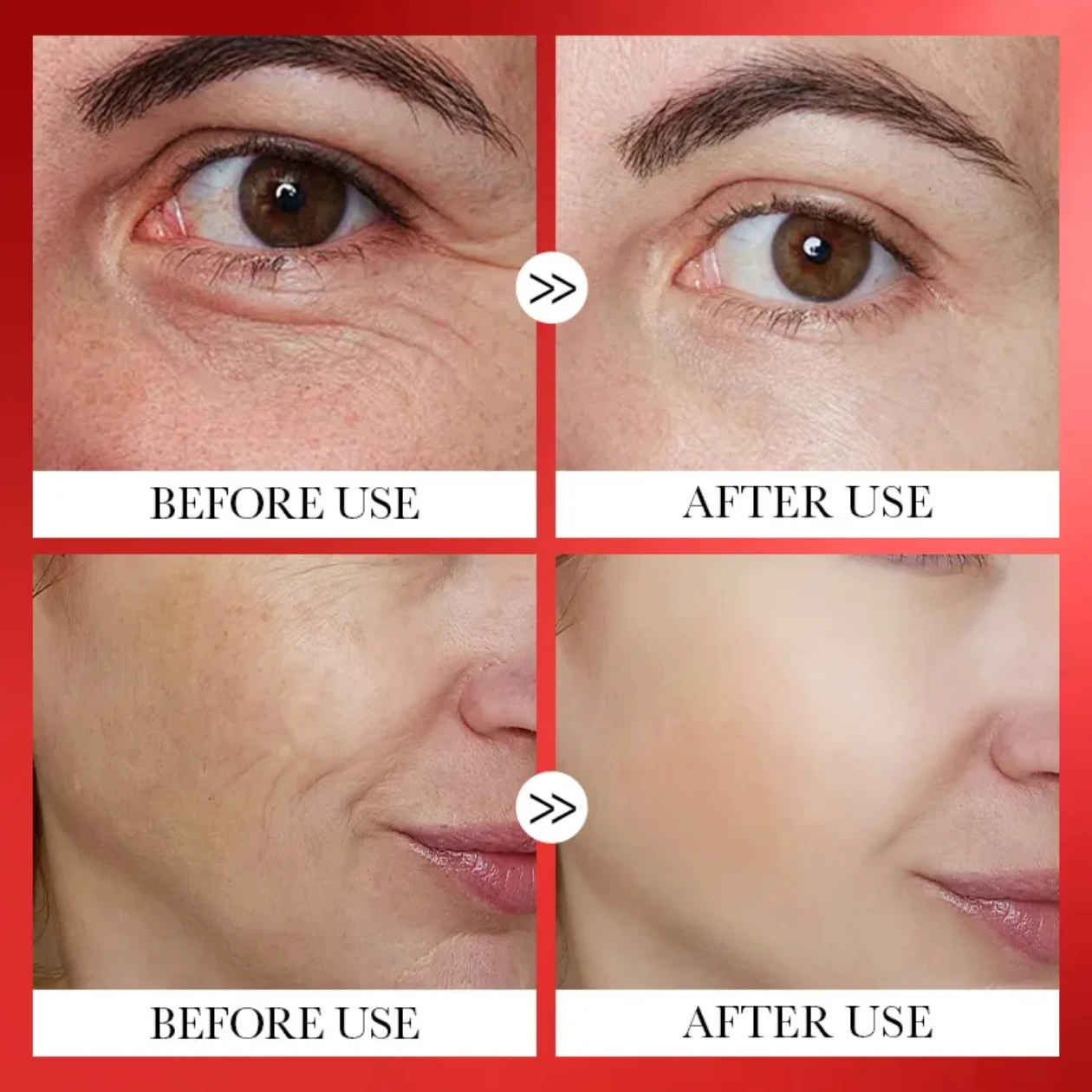
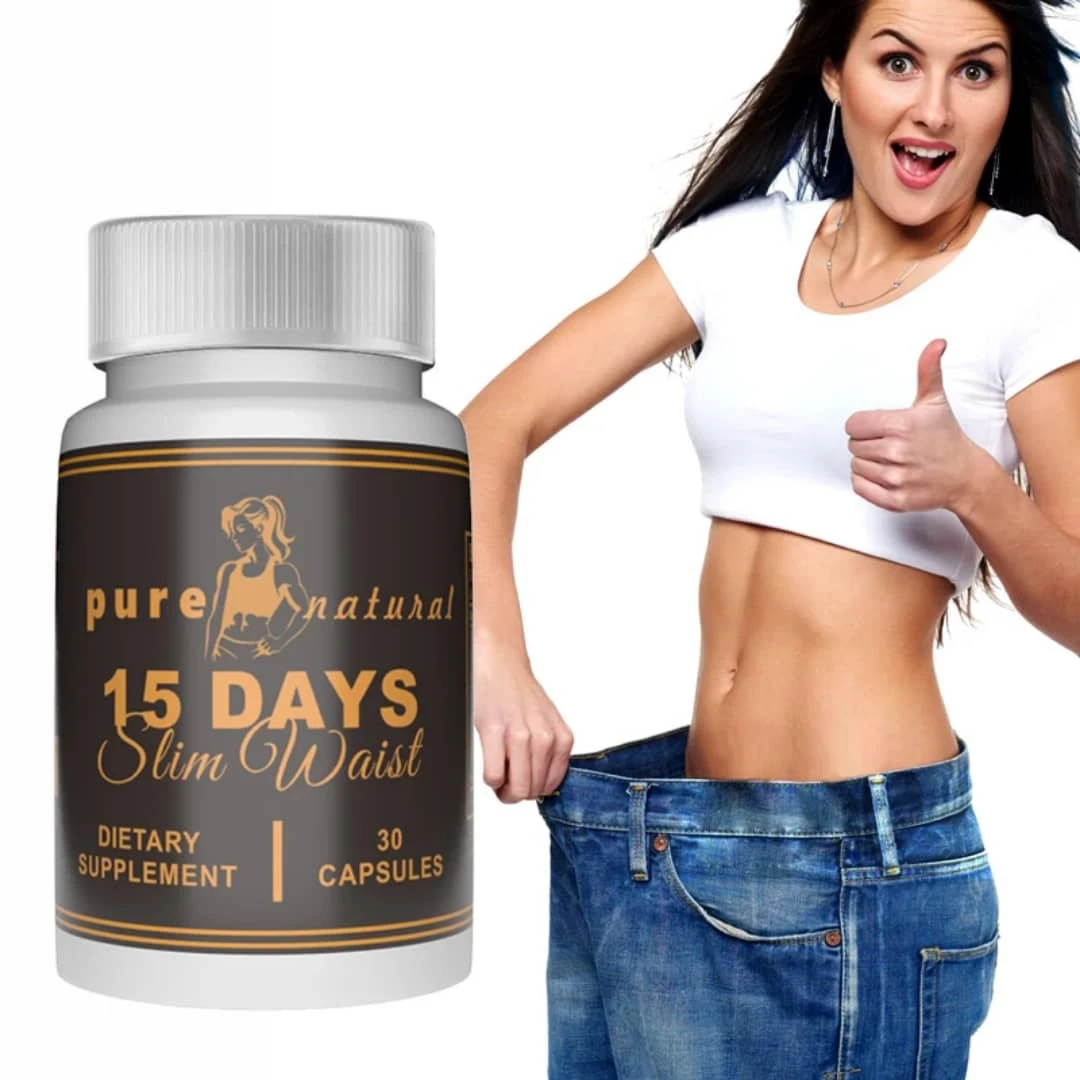
These are ingestible capsules or tablets that claim to support skin health and reduce the signs of aging from within.
Common Claims:
- Reduce the appearance of fine lines and wrinkles.
- Improve skin hydration and elasticity.
- Boost collagen and elastin production.
- Protect skin from internal oxidative stress.
- Improve overall skin texture and radiance.
Typical Key Ingredients & Their Purported Mechanisms:
- Collagen Peptides (Hydrolyzed Collagen): The most common ingredient. Theory suggests these small peptides stimulate your body's own fibroblasts to produce more collagen.
- Hyaluronic Acid: A powerful humectant claimed to draw moisture into the skin from within, improving plumpness.
- Vitamins & Antioxidants:
- Vitamin C: Essential for collagen synthesis and a potent antioxidant.
- Vitamin E: Protects cell membranes from oxidative damage.
- Astaxanthin: A carotenoid antioxidant claimed to be more potent than Vitamin C, targeting sun-induced aging.
- Minerals: Zinc and Copper are co-factors for collagen-producing enzymes.
- Omega-3 Fatty Acids (from Fish/Algae Oil): Help fortify the skin's lipid barrier, improving hydration and reducing inflammation.
- Ceramides: Lipids that are the building blocks of the skin barrier, aiming to improve moisture retention.
Important Considerations:
- Varying Evidence: The science is strongest for collagen peptides, with several clinical studies showing measurable improvements in skin elasticity, hydration, and wrinkle depth. Evidence for other ingredients is more mixed or primarily based on their known biological roles.
- Systemic Effect: They work on the entire body, not targeting a specific area.
- Time & Consistency: Effects are not immediate; typically require 8-12 weeks of consistent use.
- Regulation: Classified as dietary supplements, they are not as strictly regulated as pharmaceuticals. Quality, purity, and potency can vary greatly between brands.
- Safety: Generally safe but can interact with medications (e.g., blood thinners). Consultation with a doctor is advised.
Anti-Wrinkle Essential Oils (Topical Application)
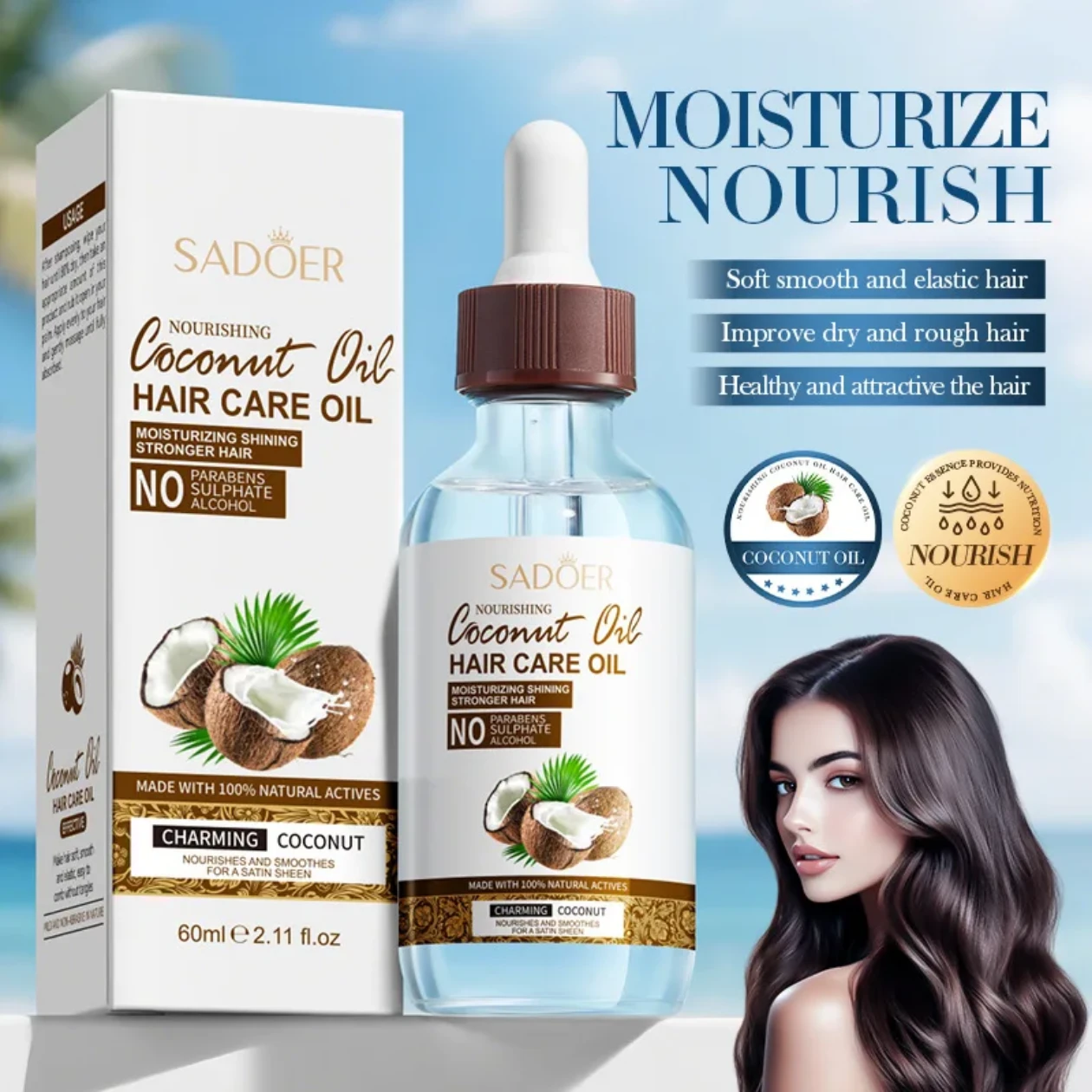
These are concentrated hydrophobic plant extracts, used topically in highly diluted form, claiming to improve skin aging through antioxidant and nutrient delivery.
Common Claims:
- Minimize fine lines and wrinkles.
- Improve skin tone and texture.
- Increase firmness and elasticity.
- Hydrate and nourish the skin.
- Some claim to "boost cell regeneration."
Typical Key Oils & Their Purported Mechanisms:
- Rosehip Seed Oil: Rich in Vitamin A (retinoids), Vitamin C, and fatty acids. Known for its regenerative and scar-improving properties.
- Frankincense (Boswellia): Traditionally used for its alleged skin-tightening and anti-inflammatory properties.
- Carrot Seed Oil: High in antioxidants like carotenoids and Vitamin E, claimed to revitalize and tone aging skin.
- Neroli Oil: Used for its ability to improve skin elasticity and regenerate skin cells.
- Pomegranate Seed Oil: Exceptionally high in punicic acid, a potent antioxidant claimed to support skin regeneration.
- Helichrysum (Immortelle): Known for its anti-inflammatory and antioxidant properties, often marketed for mature skin.
- Lavender Oil: Used for its calming and antioxidant properties (but can be a skin sensitizer for some).
How They Are Used:
They are NEVER applied directly (neat) to the skin. They must be diluted in a carrier oil (like jojoba, argan, or sweet almond oil) at a low concentration (usually 1-2%).
Important Considerations:
- Supportive Role: They are best viewed as nourishing, antioxidant-rich additions to a skincare routine, not as standalone wrinkle treatments.
- Limited Clinical Data: While many oils have proven antioxidant properties in lab studies, robust clinical trials on their specific anti-wrinkle efficacy in humans are limited. Anecdotal and traditional evidence is strong.
- Penetration: As oils, they can effectively deliver fat-soluble antioxidants and nutrients into the skin's upper layers and support the lipid barrier.
- Patch Test is Crucial: Essential oils are potent and a common cause of allergic reactions and photosensitivity (making skin sun-sensitive). A patch test on the inner arm is mandatory.
- Not a Substitute: They do not replace proven topical actives like retinoids (Vitamin A), Vitamin C serums, or broad-spectrum sunscreen—the gold standards for anti-aging skincare.
Key Takeaway: Pill vs. Oil
- Anti-Wrinkle Pills work from the inside out, aiming to provide building blocks (like collagen) and systemic antioxidant support. Their effects are whole-body and gradual.
- Anti-Wrinkle Essential Oils work from the outside in, providing localized antioxidant and nourishing benefits when applied topically to specific areas. They are a complementary treatment.
Crucial Disclaimer: Neither is a miracle cure. The undisputed foundation of any anti-wrinkle strategy is:
- Daily broad-spectrum sunscreen (SPF 30+).
- A consistent skincare routine with proven actives.
- A healthy diet, adequate hydration, and not smoking.
Consulting a dermatologist is the best way to develop a safe and effective anti-aging plan tailored to your skin.
 english





 Men's fashion
 Women's fashion
 Kid's Fashion
 Health & Beauty
 Home &kitchen
 Baby & Toddler
 Gift & Crafts
 Digital products
 Books & Stationery